An ODM tooling project enquiry should begin with the application problem, functional requirements and design responsibilities, rather than a promise that an undefined new tool can be developed. The term ODM does not establish who designs, manufactures, tests or owns the proposed solution. A useful brief makes those questions visible before a project is treated as approved.
This guide explains how a buyer can prepare a design-oriented enquiry. It is not a claim that a particular sales business offers in-house research, engineering or manufacturing. It also does not prescribe a design, guarantee feasibility or establish ownership and acceptance terms that the parties have not agreed.
Describe the application problem before proposing geometry
Explain what the existing arrangement cannot accomplish or which new feature must be addressed. Include the workpiece, operation, machine, interface and relevant access constraints. If the problem is only partly understood, identify the observations and unresolved questions without presenting a guessed root cause as a proven fact.
Distinguish required outcomes from preferred features. A requirement might concern fitting an identified interface or reaching a particular feature, while a preferred form may be open to review. The supplier needs to know which constraints are fixed and which ideas can change during evaluation.
Record the known baseline and its limits
Provide drawings, dimensions and existing tool records that are relevant and authorized for the enquiry. Identify their revisions and units. A known product can be a reference for the current arrangement, but it does not prove that a new design may use the same geometry, material or operating limits.
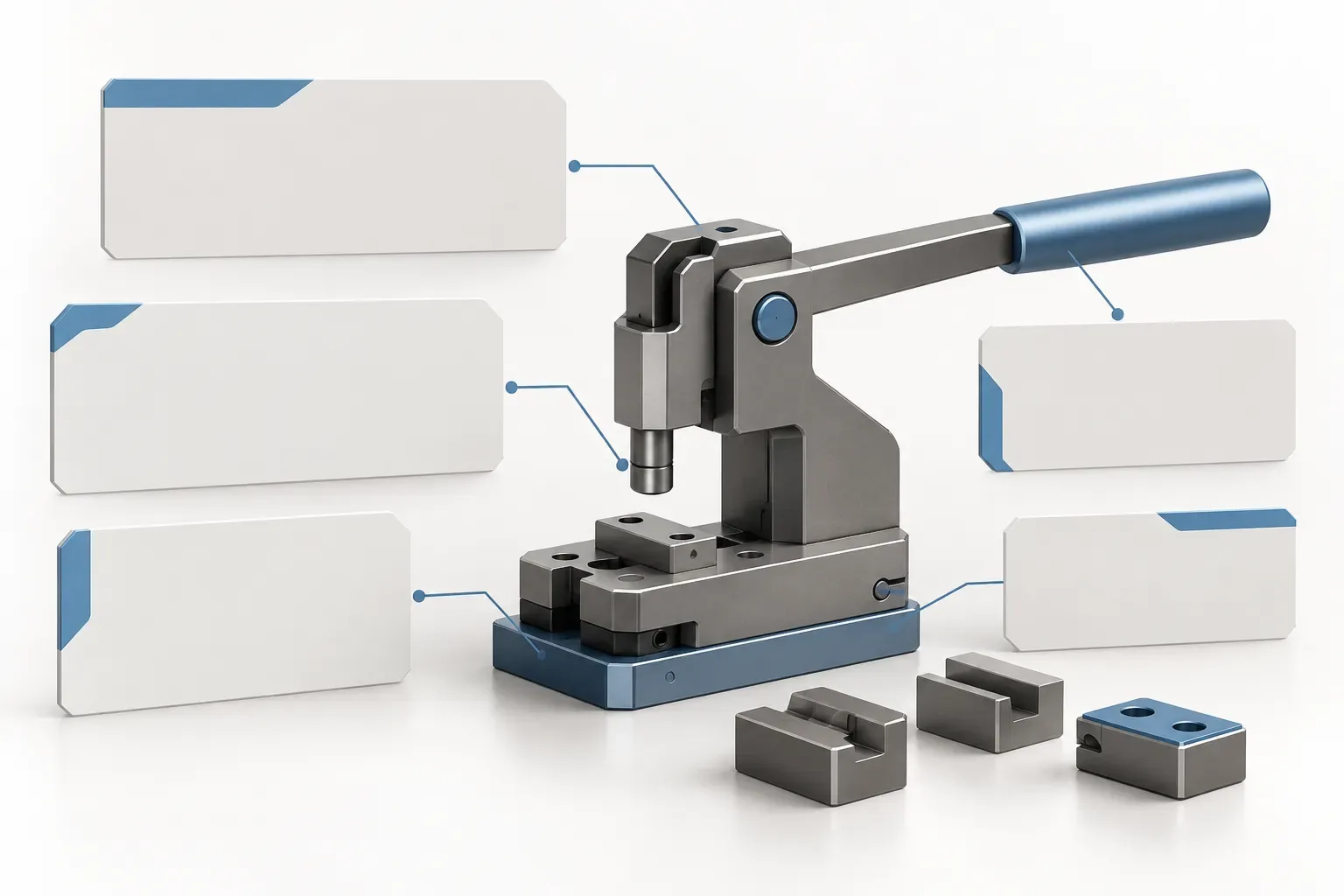
The current tooling catalogue shows how configuration records distinguish dimensions and interfaces. Use those records as examples of information structure rather than evidence of unrestricted design capability. A representative or AI-generated picture is not a dimensional drawing or a validation result for the proposed project.
Write functional requirements in reviewable terms
State what must be connected, positioned, cut or cleared and identify the evidence available for each requirement. Keep a feature's numerical value attached to its meaning and unit. If a tolerance or another limit is not known, label the question instead of inventing a value to make the brief look complete.
Do not turn a desired cycle time, finish or tool life into an existing product claim. If performance objectives matter, identify them as objectives and discuss how they could be evaluated. The design enquiry should separate what is known today from what a future proposal would need to demonstrate.
Define the proposed roles before detailed development
Ask which parties would provide design work, source or manufacture components, review the application and approve changes. A sales contact may coordinate an enquiry without claiming to perform all those activities. Record the actual response rather than treating an ODM label as proof of a complete development service.
Identify who controls requirements, drawings and revisions and who can authorize changes. If ownership, confidentiality or permitted use is important, address it through the responsible parties before relying on those arrangements. A shared brief or a redrawn file does not by itself settle rights or establish an agreement.
Plan evidence and review stages
Ask what evidence would be required to move from a concept to a candidate configuration and then to acceptance. Depending on the actual project, the parties may discuss drawings, documentation, samples or a trial. Do not imply that any stage is available or sufficient until the responsibilities and scope have been established.
Define what the buyer would review at each proposed stage and which questions remain open. If a trial is contemplated, agree its purpose and acceptance criteria with the people responsible for the process. An attractive illustration or an indicative quotation is not evidence that the proposed tool has passed those criteria.
Separate technical scope from commercial scope
Identify the proposed quantities, deliverables and included items for discussion. Distinguish design-related work from supply of a final tool or component, without assuming that either service has been offered. Ask the supplier to state exclusions, dependencies and alternatives clearly in its response.
Do not invent a price, minimum quantity, development schedule or guaranteed outcome. These terms need a project-specific offer and acceptance. A configuration change should remain traceable to a revision of the requirement rather than becoming an undocumented change inside the commercial exchange.
Submit a brief that supports a clear decision
Use the OEM / ODM project page to outline the concept and the contact page to share the controlled requirements and quantity. Request a response separating confirmed scope, information needed, proposed roles and unresolved feasibility questions.
A useful next decision may be to clarify a requirement, evaluate an existing candidate, discuss a defined project or decide that the proposed scope is not established. The value of the brief is that it supports that decision honestly. It should not imply that the word ODM already proves design capability, manufacturing responsibility or a successful tool that has not yet been validated.
Frequently asked questions
Does ODM prove an in-house design service is available?
No. Ask the parties to state the roles and scope they actually propose and can support.
Is a concept image evidence of feasibility?
No. A concept illustration does not establish dimensions, compatibility, validation or performance.
What should the design brief distinguish?
Separate known facts, required outcomes, preferences, proposed responsibilities and unresolved questions.